How AI is changing the rules of bug bounty
AI does not replace the bug hunter: it works as a copilot. Today it is useful for filtering domains during recon, generating payload variants, prioritising exploitable findings and drafting reports for HackerOne or Bugcrowd. Its real limits are hallucinated results, lack of intuition and dependence on human input to steer the analysis.

What is AI applied to bug bounty?
It is the use of language models and autonomous agents to automate, assist or improve the different stages of the bug bounty methodology. It ranges from something as simple as generating more creative payloads, to processing large volumes of scan output and surfacing the findings most likely to be exploitable.
Artificial intelligence stopped being a futuristic concept and became a reality that is already transforming how security researchers and bug hunters do their daily work.
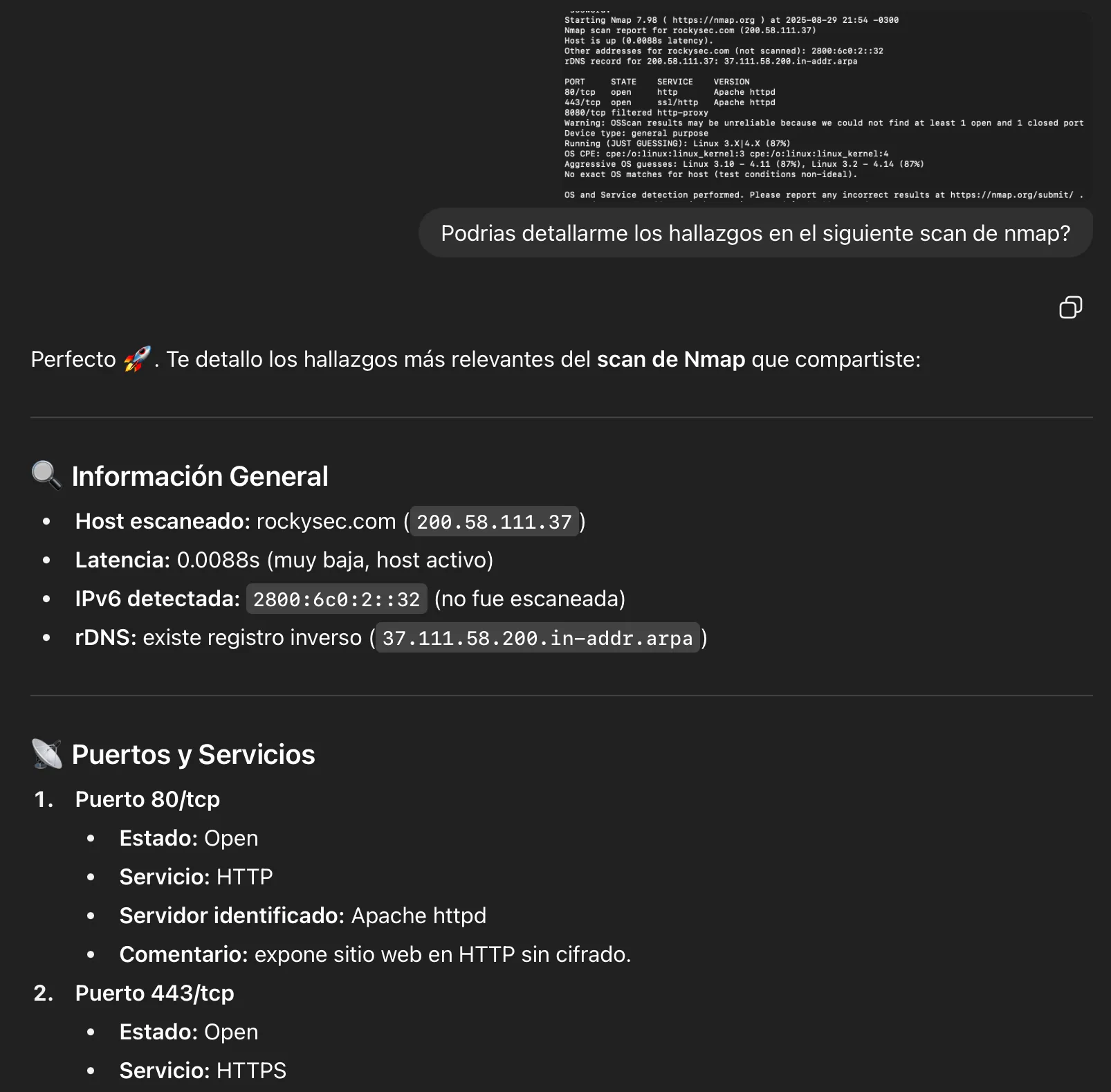
A simple example: after running a scan with Nmap or Amass, a language model can analyse the results and suggest possible attack vectors, prioritising where the researcher should spend their time.
In other words, AI works as an ally and digital copilot for the hunter, capable of cutting repetitive tasks, speeding up analysis and offering new perspectives on data that would take far longer to review by hand.
Practical use cases for AI in bug bounty
We are still in an early stage, but there are already clear use cases:
- Recon and attack surface analysis. Using AI to filter valid domains, spot suspicious patterns in headers or analyse certificates.
- Payload generation and smart fuzzing. LLMs able to create dozens of XSS or SQLi variants tailored to the context of the application.
- Escalating the impact of vulnerabilities. With enough context about the application or the company, LLMs can raise the initial impact of a vulnerability.
- Triage and prioritisation of findings. Separating noisy results from findings with a higher chance of being exploitable.
- Writing technical reports. Turning a raw console finding into a clear, structured report that meets the requirements of platforms like HackerOne or Bugcrowd.
AI + traditional tooling
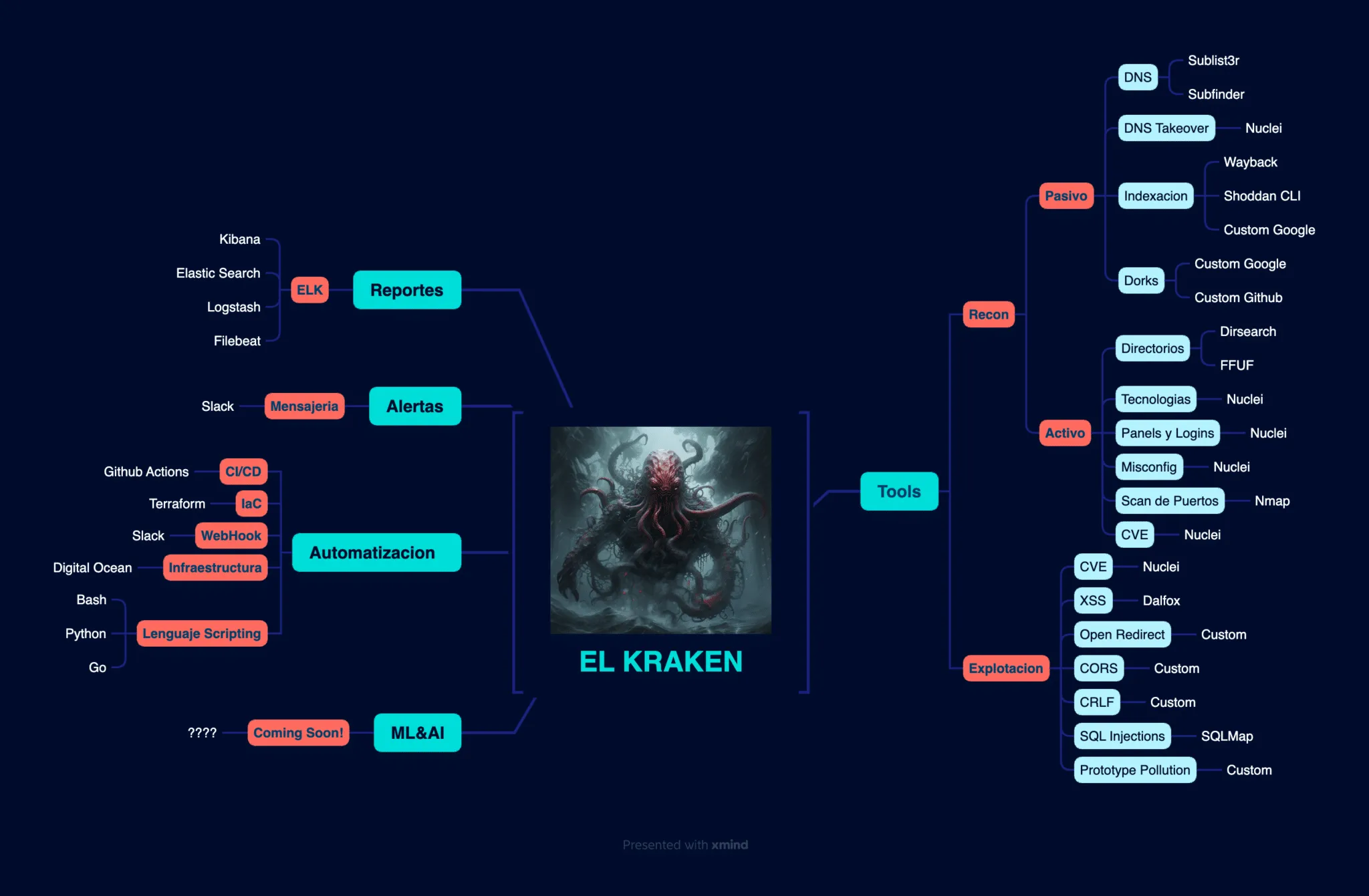
The point is not to replace the tools we already use, but to integrate them with agentic capabilities. A few illustrative examples:
- Burp Suite + AI. To automatically analyse HTTP responses. The Pro version of Burp Suite already ships integrated AI analysis that can be run on demand against each individual finding.
- Python scripts + AI. To turn hard-to-memorise command lines into executions driven by natural language. For instance: run a security headers analysis on redacted.com using nuclei.
- System tooling + AI. With
curl, so the agent can hit specific endpoints, analyse the response and from there build new requests automatically and iteratively, looking for XSS or SQLi among others.
This way AI becomes one more module inside the pentesting workflow, instead of an isolated solution.
Competitor or ally?
Lately the debate is everywhere: “will AI replace hunters?”.
The reality is that, at least for now, AI has clear limitations: it can hallucinate results, it lacks intuition and it depends on human input to steer the analysis. With agents you can build a loop in the middle that would take the human out of the flow, but that is dangerous: a bad decision by the AI could cause downtime or affect the operation of the application under test.
Instead of competing, the hunter who learns to integrate AI into their process will hold a competitive advantage over the rest of the community.
Conclusion
AI applied to bug bounty is already a reality. This is not science fiction anymore but concrete tooling that helps save time, prioritise effort and communicate findings more clearly.
The future is not “human vs machine”, it is human augmented by machine.
Keep reading
Auditing an MCP server: 2 flaws that keep showing up in production
Command injection and path traversal in remote MCP servers: the vulnerable file and line, a curl PoC for each one, and the fix, with your own lab to practice safely.
Integrating GitHub Actions + ELK into bug bounty
How to spin up ephemeral scanning infrastructure with GitHub Actions and DigitalOcean, and ship the results to an ELK stack for real-time metrics and visibility.